
Blog
What is the typical lifespan of a tool for a two-spindle machining center?
Release Time:
2025-02-17 09:26
Source:


What is the typical lifespan of a tool on a dual-spindle machining center? The lifespan of a tool on a dual-spindle machining center depends on various factors; there is no fixed time. Below are some of the main influencing factors:
1. Tool material
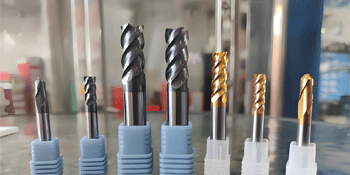
Hard tools: High hardness, good wear resistance, and other advantages are suitable for high-speed, high-efficiency cutting; their lifespan is generally relatively long.
High-speed steel tools: Although the strength is better, the hardness and wear resistance are relatively low compared to carbide tools; under some more complex processing conditions, the service life may be relatively short.
2. Processing parameters
Cutting speed: Too fast a cutting speed will lead to increased tool wear and reduced tool life; too slow a cutting speed will affect processing efficiency. Therefore, depending on the material of the tool and workpiece, processing requirements, and other factors, it is reasonable to choose the cutting speed to balance processing efficiency and tool life.
Feed rate: With too large a feed rate, the cutting force perceived by the tool increases, which easily leads to tool wear and breakage, reducing its service life; too small a feed rate affects processing efficiency.
Cutting depth: Too large a cutting depth causes the tool to withstand greater cutting force and cutting heat, accelerates tool wear, and can even lead to damage; too small a cutting depth may not meet the processing requirements; the need for multiple cuts also affects processing efficiency and tool life.
Corporate Blog
Industry Blog
Video
2025-02-17
What does the processing center do?
A machining center is a highly automated CNC machine.

Address: NPF «ECOLOGICAL SOLUTIONS AND TECHNOLOGIES», NPF ERiT, office address: Moscow, ul. Nametkina 14/1 Tel.:
IPV4 / IPV6