
Blog
What factors should be considered when choosing a two-spindle machining center?
Release Time:
2025-02-17 09:22
Source:


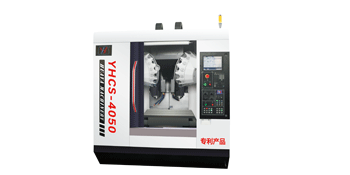
In modern manufacturing, dual-spindle machining centers have become a crucial equipment choice for many companies aiming to enhance productivity and product quality due to their high efficiency and precision machining capabilities. However, what factors should be considered when selecting a dual-spindle machining center? The following factors should be considered when choosing a dual-spindle machining center:
1, Processing needs
Part type: Clearly define the type of parts to be machined, whether small precision parts or large complex parts, as different part types will have varying requirements for machining center table size, stroke, spindle speed, and other factors.
Material: Consider the hardness, strength, and other characteristics of the material being processed. Select appropriate cutting parameters and cutting tools, as well as machining centers that can meet the processing requirements.
Size: Choose an appropriate table size and stroke based on the size of the parts to ensure they can be machined.
Accuracy requirements: If high processing accuracy is required, you need to choose a machining center with high accuracy and good stability. Consider the repeatability of the machining center's positioning accuracy, straightness, and other indicators.
2, Machine performance
Spindle power and speed: Spindle power and speed directly affect processing efficiency and quality. Choose appropriate spindle power and speed according to processing needs.
Feed rate: The feed rate affects processing efficiency and surface quality. Choose an appropriate feed rate according to the materials and processing tools.
Cutting force: Cutting force affects processing accuracy and surface quality. Choose an appropriate cutting force according to the materials and tools being processed.
Accuracy: Accuracy is an important indicator of a machining center. Choose the correct accuracy level according to processing needs.
3, Ease of operation
Operator interface: The convenience of the operator interface directly affects ease of use and efficiency. Choose a machining center with a simple, intuitive, and easy-to-use operator interface.
Programming: Ease of programming also affects ease of use and efficiency. Choose a machining center with a simple and easy-to-understand programming method.
Tool library: The richness of the tool library will affect processing efficiency and flexibility. Choose a machining center with a large tool library capacity and fast tool changing speed.
4, Maintenance
Ease of maintenance: Ease of maintenance will affect machine operating costs and lifespan. Choose a machining center that is easy and convenient to maintain.
Manufacturers providing maintenance and after-sales service programs: Choose a reputable brand; manufacturers providing maintenance and after-sales service programs can help users better maintain and service machining centers to extend their lifespan.
5, Budget and return on investment
Purchase price: Choose a purchase price that aligns with your budget.
Operating costs and running expenses: In addition to the purchase price, consider operating costs and running expenses to choose a cost-effective machining center.
Return on investment: Consider the machining center's productivity, processing quality, and other factors. Choose a machining center that offers a high return on investment.
6, Other factors
Machine stability and reliability: Machine stability and reliability affect processing accuracy and efficiency. Choose a machining center that is stable and reliable.
Machine safety: Machine safety is very important. Choose a machining center with complete safety devices.
Machine brand and reputation: Choose a well-known brand and a machining center with a good reputation to ensure machine quality and after-sales service.
Corporate Blog
Industry Blog
Video
2025-02-17
What does the processing center do?
A machining center is a highly automated CNC machine.

Address: NPF «ECOLOGICAL SOLUTIONS AND TECHNOLOGIES», NPF ERiT, office address: Moscow, ul. Nametkina 14/1 Tel.:
IPV4 / IPV6