
Blog
How to increase tool life on dual-spindle machining centers?
Release Time:
2025-02-17 09:20
Source:


In efficient operation of two-spindle machining centers, tool life directly impacts productivity and cost. Increasing tool life not only reduces tool replacement frequency and production costs but also protects machining accuracy and product quality. So, how to increase the service life of tools for a two-spindle machining center?
1. Tool selection and material optimization
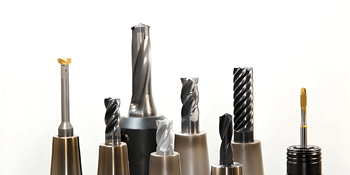
Selection of suitable tool materials: According to the characteristics of the workpiece material and processing requirements, select high hardness and good wear resistance of the tool material. For example, when processing difficult-to-machine materials, a tool material with high hardness, high strength, and high toughness should be selected.
Optimization of tool parameters: According to the processing requirements, the appropriate tool angle should be selected; for example, increasing the rake angle can reduce cutting force and cutting heat, thereby extending tool life. At the same time, reasonable selection of the cutting edge shape and tool size allows adaptation to various processing needs.
2. Adjustment and optimization of cutting parameters
Adjustment of cutting speed: According to different workpiece materials and tool materials, select the appropriate cutting speed. Too high a cutting speed increases the risk of tool wear and breakage, while too low a speed reduces productivity. Therefore, it is necessary to find the optimal cutting speed to balance tool life and productivity.
Control of cutting depth and feed: Avoid cutting too much material at once and reduce the load on the tool through step cutting. Excessive cutting depth and feed increase the risk of tool wear and breakage. Therefore, the appropriate cutting depth and feed should be selected according to the actual situation.
Select the appropriate cutting method: Select the optimal cutting method depending on the material and tool, such as high-speed or low-speed cutting. Different materials and tools are suitable for different cutting methods, and choosing the right method can improve cutting efficiency and tool life.
3. Monitoring and optimization of the machining process
Use of cutting fluid: Cutting fluid plays a role in lubrication and cooling during processing and can significantly reduce tool wear. Select the appropriate type and dosage of cutting fluid, and select a suitable cutting fluid according to the material and processing process.
Control the processing temperature: Maintain the processing temperature within the appropriate range by optimizing processing parameters, using a cooling system, and controlling the cutting temperature. Increased temperature will accelerate tool wear or even cause damage.
Securely fasten the tool: Ensure that the tool is firmly fixed in the tool holder to avoid wear and reduced machining accuracy due to loosening. When installing the tool, tighten it strictly in accordance with the operating specifications and regularly check the condition of the tool fastening.
4. Maintenance and repair
Regularly check tool wear: Evaluate the condition of the tool using visual, tactile, and measurement methods, and replace worn tools in a timely manner to avoid deterioration in processing quality. At the same time, record and analyze tool usage data as a reference basis for determining the effectiveness of extending tool life.
Keep the tool clean: Regularly clean the tool and tool holder to prevent tool wear caused by the accumulation of chips and contaminants. Use an air gun or brush to remove chips and contaminants to ensure a clean working environment for the tool and tool holder.
Regularly lubricate tools: Regular lubrication of tools and holders effectively reduces friction and wear. Use appropriate lubricants or cutting fluids and adjust the lubrication frequency according to processing needs.
Reasonable distribution of tool use: Reasonably distribute the use of tools of the same type, alternate the use of tools to avoid excessive wear of a particular tool.
5. Other measures
Optimization of the machining process: Reduce the movement time of the tool in the no-load state during cutting by optimizing the machining process and tool movement trajectory to reduce its wear.
Use of tool monitoring technology: Real-time monitoring of the tool condition using tool monitoring technology, timely detection and treatment of tool wear and damage.
Strengthen operator training: Improve the skills and responsibility of operators so that they can correctly and standardly use and maintain tools.
In general, to increase the service life of tools for a two-spindle machining center, it is necessary to start from various aspects, such as tool selection and material optimization, adjustment and optimization of cutting parameters, monitoring and optimization of the machining process, tool maintenance and repair, and other measures. Through comprehensive consideration and implementation of these measures, the tool life can be effectively extended to improve processing efficiency and product quality.
Corporate Blog
Industry Blog
Video
2025-02-17
What does the processing center do?
A machining center is a highly automated CNC machine.

Address: NPF «ECOLOGICAL SOLUTIONS AND TECHNOLOGIES», NPF ERiT, office address: Moscow, ul. Nametkina 14/1 Tel.:
IPV4 / IPV6